

New Construction
The builder has representation. You should too.
Independent advocacy through contracts, incentives, selections, inspections, and the months between signing and move-in.
Why Representation Matters
The person who greets you in the model home is a professional. They are also, by contract, working for the builder.
That is not a criticism. Onsite sales representatives are knowledgeable and often genuinely helpful. But their obligation runs to the builder, and the contract they hand you was written by the builder's attorneys to protect the builder's interests.
Buying new construction without your own representation means negotiating a substantial purchase, over many months, against a party with far more experience in exactly this transaction than you have.
Buyer-agent compensation varies by transaction and builder. In some cases, builders may offer compensation to a buyer’s agent, while other arrangements may differ. Your agent can explain how compensation works and what applies to your specific purchase before you move forward.
-
I represent you, not the builder
No compensation arrangement, referral fee, or preferred relationship with any builder influences the advice you receive.
-
No financial interest in your choice
I have no stake in which builder you select. If a community is not right for you, you will hear it.
-
No fees for introductions
I receive nothing for lender, title, or vendor introductions. Any professionals I suggest are suggested on merit, and you are free to use anyone you wish.
-
I do not control the builder's process
Timelines, allowances, and policies are set by the builder. My role is to help you understand the process, track important details, and address questions as they arise.

Please read before you tour
One thing that matters more than anything else on this page
Builder registration policies vary. Some communities may require your agent to be present or registered before or during your first visit in order to participate in your representation. It is best to confirm the builder's current policy before touring.
THE PROCESS
Six stages, from first visit to move-in
New construction takes months rather than weeks. Each stage carries decisions that are difficult or expensive to revisit later.
-
Orientation and Registration
We discuss your goals, budget, and timing before you tour anything. Representation and registration requirements are confirmed before or during your first visit, based on the builder's current policies.
-
Builder and Community Assessment
Reputation, build quality, warranty history, HOA structure, planned development around the lot, and resale performance reviewed together. Not all builders are equal and not all lots within a community are either.
-
Contract Review and Negotiation
The builder's contract, pricing, incentives, upgrades, and other key terms are reviewed carefully so you can better understand the decisions involved. Legal questions should be directed to a qualified attorney.
-
Selections and Design Centre
Guidance on which upgrades hold value and which do not, and where the same result costs less after closing. Design appointments are where budgets most often quietly overrun.
-
Construction Milestones and Inspections
Progress monitored, walkthroughs attended, and independent inspections arranged at pre-drywall and final stages. Issues are raised while they are still easy to correct.
-
Closing and Warranty
Final walkthrough, punch list documented in writing, closing coordinated, and warranty periods explained so you know what is covered and for how long.
EXPLORE
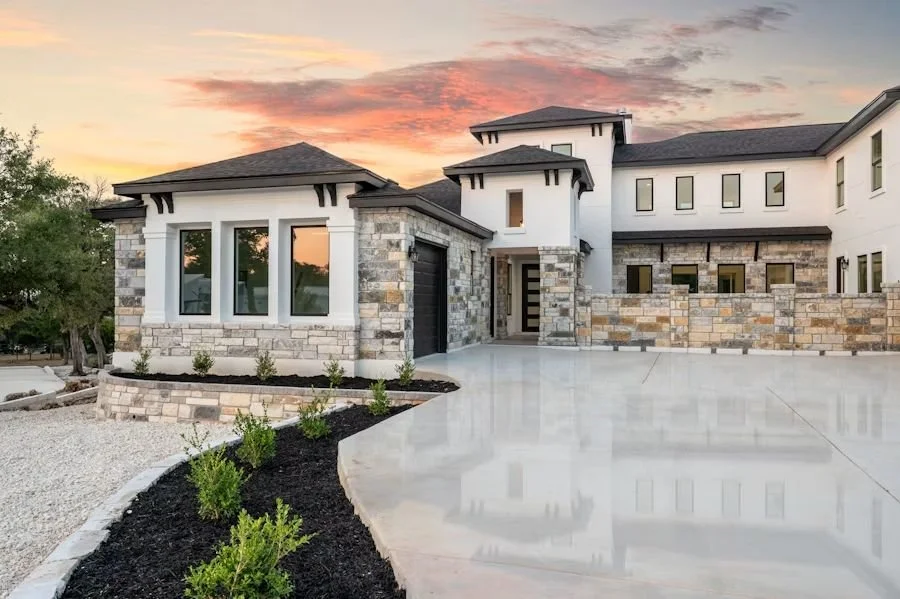
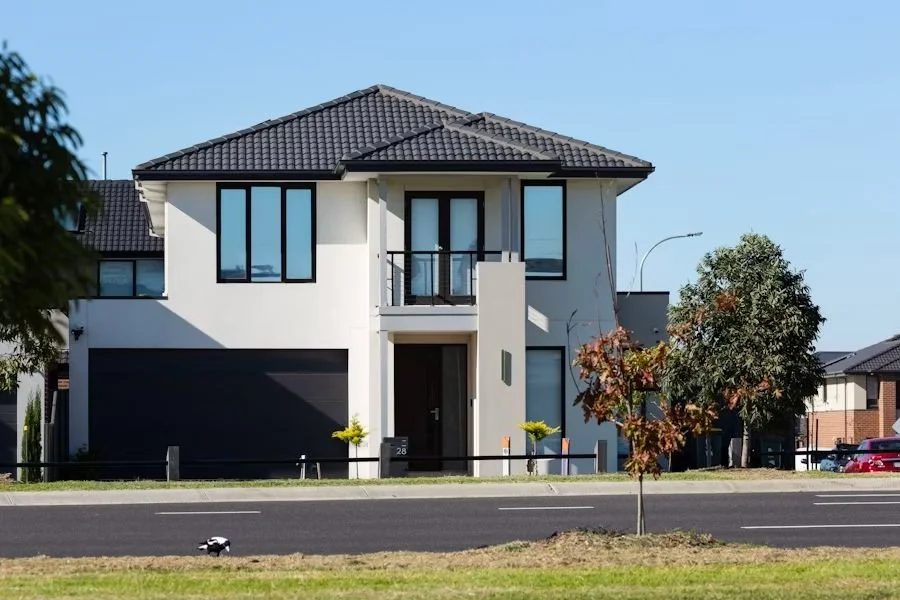
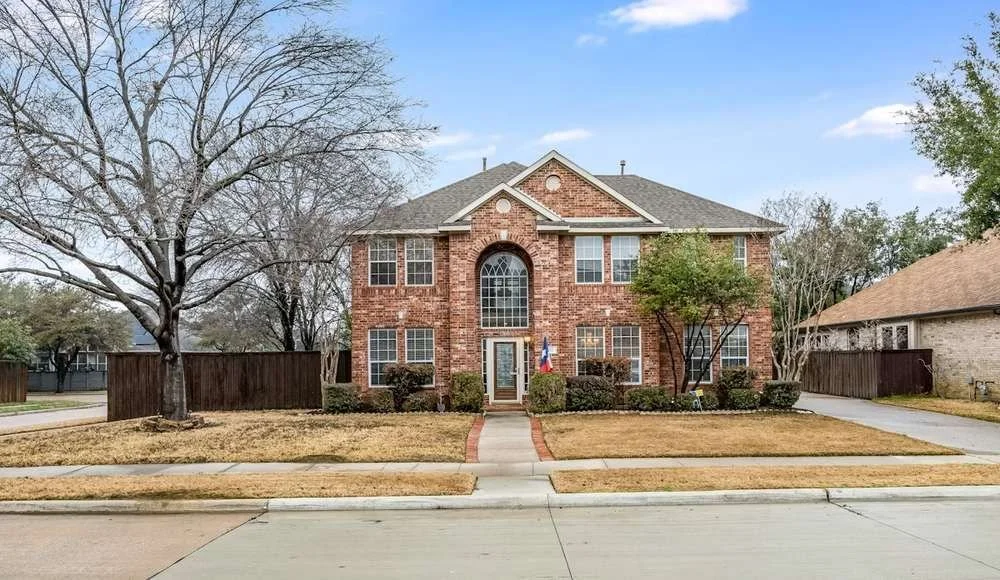
New Construction Areas

Incentives & Financing
Read what the incentive actually costs
Builder incentives are real, and they can be substantial. They are also the area where buyers most often accept an apparent saving without examining what sits behind it.
Most builder incentives are tied to using the builder's affiliated lender and title company. Sometimes that genuinely is the better deal. Sometimes the rate, fees, or terms offset the incentive entirely, and the buyer never runs the comparison. You are entitled to use any lender you choose — the right approach is an independent quote, compared over the period you expect to hold the loan.

Questions worth asking before you sign
Inspections & Selections
New does not mean flawless
A common assumption is that a new home does not need inspecting. Municipal inspections confirm code compliance. They are not a quality review conducted on your behalf.
Point One · Pre-Drywall
Catch it while the walls are still open
Framing, wiring, and plumbing are still visible. This is when issues are cheapest to fix — and most expensive to miss.

Point Two · Final Inspection
Before closing, while you still have leverage
Documents what remains outstanding, in writing, before the keys change hands and your leverage disappears.

WHERE BUDGETS QUIETLY OVERRUN
The design centre is where enthusiasm meets pricing, usually in a single appointment. Structural decisions must be made early and cannot be changed later.
Finishes generally can wait — and some cost considerably less installed after closing than selected through the builder. We go through your list in advance and separate what must be decided now, what genuinely holds value, and what is better done later or not at all.
What You Can Expect From Me
Present at your first visit to every community, so representation is preserved
Independent inspections arranged at pre-drywall and final stages
Regular updates through the build, so you are not chasing the builder for information
Contract reviewed line by line before you sign anything
Walkthroughs attended with you, with findings documented in writing
Punch list tracked to completion, including items that surface after closing
Insights & Guides
The Signature Guide to Buying New Construction
A practical walkthrough of preparation, pricing, presentation, and timing before you list. Written to be genuinely useful on its own, whether or not we ever speak.
Common Questions
What new construction buyers ask first
-
Not necessarily. Real estate compensation is negotiable and will be explained in your written buyer-representation agreement. A builder may offer to contribute toward the buyer broker's compensation, but that contribution varies by builder and transaction. Before you proceed, we will explain what is being offered, what is not covered, and whether you could be responsible for any difference-so there are no assumptions about cost.
-
Not always-but contact us before returning, registering again, or signing anything. Builders establish their own registration and representation policies, and some require your agent to be identified at or before the first visit. We will promptly confirm the builder's requirements and determine what representation options may still be available. No outcome can be guaranteed after an initial unaccompanied visit.
-
Sometimes. Depending on the builder, community, inventory, construction stage, and market conditions, there may be room to discuss price, closing-cost contributions, financing incentives, upgrades, lot premiums, deposits, or other business terms. We evaluate the entire offer-not simply the advertised incentive-and help you identify the questions and comparisons that matter. Builder contracts are prepared for the builder's transaction; legal questions should be directed to a qualified attorney.
-
An independent inspection is worth considering, even with new construction. Municipal inspections address applicable code requirements, but they are not a substitute for an inspection performed for the buyer and do not guarantee workmanship or condition. Subject to the builder's access policies, you may consider inspections at appropriate stages-such as pre-drywall and near completion-using a buyer-selected, appropriately licensed inspector.
-
The answer depends on your priorities, budget, expected length of ownership, and the home's market segment. Structural, functional, and difficult-to-change selections may deserve consideration before purely cosmetic options, but an upgrade's cost does not guarantee an equal increase in resale value. We help you distinguish personal enjoyment from likely market influence and consider the total price before selections become final or nonrefundable.
-
Construction schedules can change because of permitting, weather, labor, materials, inspections, or other factors. The builder's contract governs projected completion dates, notices, extensions, and any available remedies. We help you monitor milestones and prepare for related decisions involving financing, rate locks, temporary housing, moving arrangements, and your existing home. Questions about contractual rights or remedies should be referred to a qualified attorney.